First Aid for Burn Wounds: Understanding Burns Degree and Proper Treatment
Burns are a common type of injury that can occur in various settings, from kitchen accidents to industrial incidents. Understanding the burns degree is crucial for providing appropriate first aid and preventing complications. This article explains what burns are, how they are classified, and the best ways to treat them at home or in emergencies.
What Are Burns and How Are They Classified?
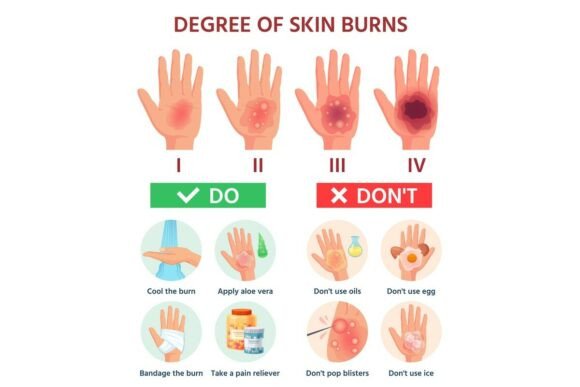
Burns occur when the skin or underlying tissues are damaged by heat, chemicals, electricity, or radiation. The severity of a burn depends on its degree, which refers to how deep the damage goes into the skin layers. There are three main categories of burns:
- First-degree burns: These affect only the outer layer of the skin (epidermis) and typically cause redness, pain, and minor swelling.
- Second-degree burns: These damage both the epidermis and the second layer of skin (dermis). Symptoms include blisters, severe pain, and wet, shiny skin.
- Third-degree burns: These destroy all layers of the skin and may extend to underlying tissues. The skin might appear white, black, or leathery, and there may be little to no pain due to nerve damage.
Understanding the burns degree helps determine the appropriate treatment and whether professional medical attention is needed.
First Aid for Burn Wounds: Immediate Steps
If someone suffers a burn, it's important to act quickly. Here’s what you should do immediately after the injury:
- Cool the burn with cool water: Run cool (not cold) water over the affected area for 10–15 minutes. This helps reduce pain and prevent further tissue damage.
- Remove jewelry and tight clothing: If the burn is on an arm or leg, remove any rings, bracelets, or tight clothing before swelling occurs.
- Do not break blisters: Blisters protect the wound from infection. Never pop them unless instructed by a healthcare professional.
- Apply a sterile dressing: Cover the burn with a non-stick bandage or clean cloth to protect it from contamination.
- Seek medical help if necessary: For second- or third-degree burns, or burns on sensitive areas like the face, hands, or genitals, seek immediate medical attention.
Remember, first aid for burn wounds is critical in minimizing long-term damage and promoting faster healing.
Fire Damage to Skin: Common Causes and Prevention
Fire-related burns are among the most severe types of injuries. Whether from a house fire, campfire accident, or industrial incident, fire damage to skin can lead to serious complications if not treated properly. Common causes include direct contact with flames, hot surfaces, or smoke inhalation.
To prevent fire-related burns, it's essential to:
- Install smoke detectors in your home and test them regularly.
- Keep flammable materials away from heat sources.
- Use caution when handling open flames, such as candles or grills.
- Have a fire escape plan and practice it with family members.
By taking these precautions, you can significantly reduce the risk of fire damage to skin and other burn-related injuries.
Hand Blisters: A Common Symptom of Thermal Injuries
Hand blisters often result from thermal burns, such as touching a hot pan or getting burned by steam. These blisters are the body's natural response to protect the damaged skin. However, they can be painful and increase the risk of infection if not cared for properly.
If you develop a blister on your hand, follow these steps:
- Do not pop the blister unless it is large or painful.
- Keep the area clean and covered with a sterile bandage.
- Apply an antibiotic ointment to prevent infection.
- Monitor for signs of infection, such as redness, swelling, or pus.
For more severe hand burns, it's important to consult a doctor, as improper care can lead to scarring or loss of mobility.
Vector Infographic: Treatment for Thermal Wounds
Visual aids, such as vector infographics, can be incredibly helpful in understanding how to treat thermal wounds. These diagrams often show step-by-step procedures for first aid, including cooling the burn, applying dressings, and recognizing when to seek help.
Some key elements of a thermal wound treatment infographic may include:
- A diagram showing the different burns degree.
- Illustrations of proper first aid techniques.
- Icons indicating when to call emergency services.
- Information on over-the-counter medicines for pain relief.
Using visual tools can make it easier to remember and apply the correct steps during a burn emergency.
Illustration of Injury, Pain, and Medicine Help
An illustration of injury can provide a clear visual representation of how burns affect the skin and surrounding tissues. These images often depict the layers of the skin and show how different burns degree impact each layer.
Pain associated with burns varies depending on the severity. First-degree burns may cause mild discomfort, while second- and third-degree burns can be extremely painful. Over-the-counter medicine help such as ibuprofen or acetaminophen can relieve pain, but prescription medications may be required for more severe cases.
It's also important to understand that some burns may require medical treatment, including antibiotics, skin grafts, or physical therapy for recovery.
Why Understanding Burns Degree Matters in Daily Life
Whether you're cooking, working with machinery, or simply living in a home, burns can happen unexpectedly. Knowing how to identify and treat different burns degree can make a significant difference in recovery time and overall health outcomes.
In modern life, first aid for burn wounds is not just a skill for medical professionals—it's a valuable tool for everyone. From school settings to workplaces, having basic knowledge of burn care can help prevent complications and save lives.
Common Misconceptions About Burn Treatment
There are several common misunderstandings about how to treat burns. One of the most dangerous is using ice or very cold water to cool a burn. This can actually worsen the injury by causing additional tissue damage.
Another misconception is applying butter, oil, or toothpaste to a burn. These substances can trap heat and increase the risk of infection. Instead, always use cool water and avoid applying anything to the burn without medical advice.
Understanding the facts about first aid for burn wounds can help you respond correctly and avoid making things worse.
Conclusion: Stay Informed and Prepared
Burns are a serious concern, but with the right knowledge and quick action, many injuries can be managed effectively. By understanding burns degree, learning proper first aid for burn wounds, and being aware of fire damage to skin, you can protect yourself and others in emergency situations.
Remember, hand blisters, vector infographics, and illustrations of injury are all tools that can help you better understand and respond to burn injuries. Whether at home, work, or in public spaces, being prepared can make all the difference in a burn emergency.