Three Key Steps to Mastering Project Planning and Execution
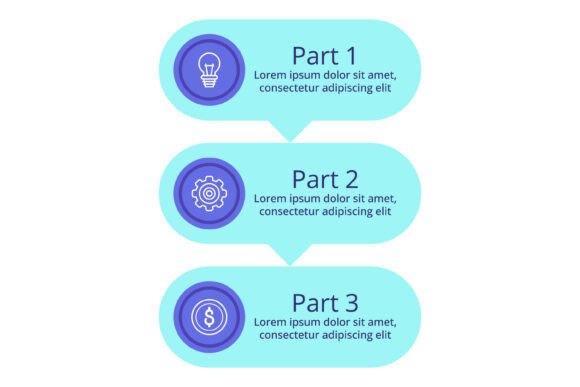
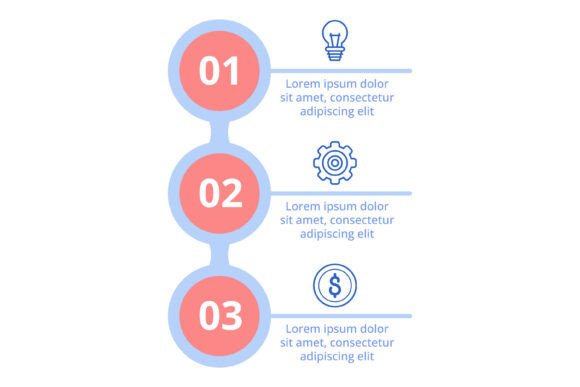
Whether you're launching a new business venture, organizing a community event, or managing a complex software development project, effective planning and execution are essential for success. The Three-Key Success Steps Infographic offers a visually engaging roadmap that highlights the core principles of successful project planning. This graphic uses powerful symbols—such as a light bulb, a gear, and a dollar sign—to represent the crucial elements of innovation, process, and budgeting. In this article, we’ll break down each of these steps and explore how they contribute to achieving your goals.
The Power of Innovation: The Light Bulb Symbol
The first step in any successful project is the generation of innovative ideas. The light bulb symbol in the infographic represents the spark of creativity that fuels every great endeavor. Without a clear vision or unique concept, even the most well-structured plans can fall flat.
Innovation isn’t just about coming up with wild ideas; it’s about identifying opportunities and solving problems in new ways. For example, a small business owner might use this step to brainstorm a new product feature that addresses customer pain points. Similarly, a teacher could develop a fresh approach to classroom engagement that enhances student learning.
It’s important to note that innovation doesn’t always require a complete overhaul. Sometimes, it’s about refining existing strategies or combining different concepts to create something new. The key is to remain open-minded and willing to experiment.
One common misconception is that innovation is only for tech startups or creative industries. However, in today’s fast-paced world, innovation is vital across all sectors. Whether you’re in healthcare, education, or manufacturing, thinking outside the box can lead to significant improvements in efficiency, customer satisfaction, and profitability.
Once you have an idea, the next step is to turn it into a structured plan. The gear in the infographic symbolizes the meticulous construction of processes that ensure your project runs smoothly. This phase involves breaking down your goal into manageable tasks, setting timelines, and assigning responsibilities.
A well-designed process is like the engine of a machine—it keeps everything moving forward. For instance, a marketing team planning a product launch would need to outline steps such as market research, content creation, advertising, and post-launch evaluation. Each of these steps must be carefully coordinated to avoid delays and miscommunication.
Effective project management tools, such as Gantt charts or task management software, can help streamline this process. These tools allow teams to visualize their workflow, track progress, and adjust plans as needed. However, the most important aspect of this step is communication. Clear and consistent communication ensures that everyone involved understands their role and the project’s overall direction.
Another common misunderstanding is that planning is a one-time activity. In reality, planning is an ongoing process that requires regular review and adjustment. As circumstances change, so should your strategy. Flexibility is key to navigating unexpected challenges and staying on track toward your goals.
The final element of the infographic is the dollar sign, which emphasizes the importance of prudent budgeting. No matter how brilliant your idea or how well-structured your plan, without proper financial management, your project may not survive.
Budgeting involves estimating costs, allocating resources, and monitoring expenses throughout the project lifecycle. For example, a startup founder must consider not only the cost of developing a product but also marketing, staffing, and operational expenses. A nonprofit organization planning a community event will need to account for venue rental, supplies, and staff wages.
One of the biggest mistakes people make is underestimating costs or failing to track spending. This can lead to financial shortfalls and project failure. To avoid this, it’s essential to create a detailed budget and regularly review it against actual expenses. Tools like spreadsheets or budgeting apps can help keep track of where money is going and identify areas where adjustments may be needed.
It’s also important to distinguish between fixed and variable costs. Fixed costs, such as rent or salaries, remain constant, while variable costs, like materials or advertising, can fluctuate. Understanding these differences helps in making informed decisions about resource allocation.
How These Three Steps Work Together
The three steps represented in the infographic—innovation, process, and budgeting—are not isolated activities but interconnected components of a successful project. They form a cycle that supports continuous improvement and long-term growth.
For example, a tech company developing a new app might start with an innovative idea (the light bulb), then build a detailed project plan (the gear), and finally manage the budget to ensure the project stays within financial limits (the dollar sign). Each step reinforces the others, creating a balanced approach to project management.
This integrated approach is especially relevant in today’s digital age, where projects often involve multiple stakeholders, cross-functional teams, and global collaboration. By focusing on all three elements, organizations can reduce risks, improve efficiency, and achieve better outcomes.
Applying the Three-Key Success Steps in Everyday Life
While the infographic is designed for professional settings, its principles can also be applied to personal and everyday situations. For instance, planning a vacation requires innovation (choosing a unique destination), process (booking flights, accommodations, and activities), and budgeting (managing travel expenses).
Even simple tasks, like preparing for a job interview, can benefit from this framework. Innovation might involve researching the company and tailoring your resume, process could include practicing answers and scheduling interviews, and budgeting might mean allocating time for preparation and travel.
By adopting these three steps, individuals can approach challenges with greater confidence and clarity. It encourages a proactive mindset that values both creativity and practicality.
Conclusion
The Three-Key Success Steps Infographic serves as a valuable guide for anyone looking to improve their project planning and execution skills. By focusing on innovation, process, and budgeting, you can create a solid foundation for achieving your goals. Whether you’re working on a large-scale initiative or a small personal project, these principles provide a clear path to success.
Remember, effective planning is not just about following a checklist—it’s about understanding the bigger picture and making informed decisions. With the right approach, you can transform ideas into reality and turn challenges into opportunities for growth. Start applying these steps today and take the first step toward mastering project planning and execution.