Structured Steps to Goals: A Visual Pathway to Success
The journey toward achieving personal or professional goals often feels overwhelming, especially when the path is unclear. However, by breaking down the process into structured steps, individuals can navigate their objectives with greater clarity and confidence. The Structured Steps to Goals framework provides a practical approach to goal-setting, offering a roadmap that simplifies complex processes and enhances strategic planning.
Understanding the Foundation of Goal Achievement
At its core, goal achievement requires more than just ambition—it demands a clear plan, consistent effort, and adaptability. Without a defined structure, even the most well-intentioned goals can remain unfulfilled. The Structured Steps to Goals model addresses this challenge by organizing the process into distinct phases, each designed to build upon the previous one. This approach ensures that individuals remain focused, motivated, and equipped to handle obstacles along the way.
One of the key advantages of this method is its emphasis on visualization. By representing the goal as a series of stages, individuals can better understand what needs to be done at each step. This visual representation not only makes the process more tangible but also helps in identifying potential roadblocks before they become significant issues.
The Four-Step Pyramid: A Framework for Strategic Planning
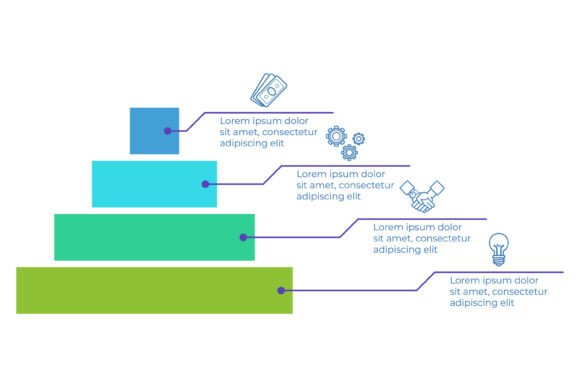
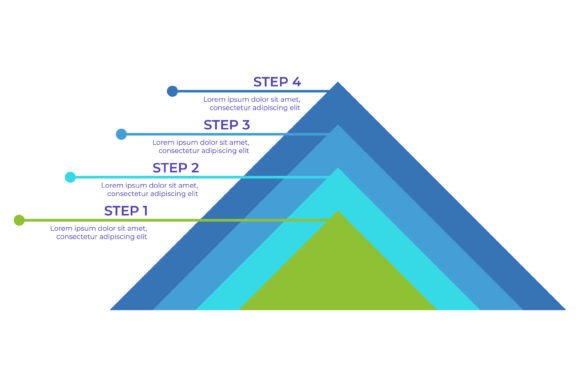
The Structured Steps to Goals infographic presents a pyramid structure composed of four main sections, each corresponding to a critical phase in the goal-achievement process. This design allows users to see how each stage contributes to the overall objective, making it easier to track progress and adjust strategies as needed.
Step 1: Define the Objective
The foundation of any successful endeavor begins with a clear and specific goal. This step involves identifying what the individual wants to achieve, whether it's launching a business, improving health, or advancing a career. A well-defined objective serves as the starting point, providing direction and purpose throughout the process.
For example, someone aiming to start a small business might begin by outlining their vision, such as "Establish a sustainable online store selling handmade products." This clarity helps in creating a more focused plan and reduces the risk of confusion or misalignment later on.
Step 2: Plan the Strategy
Once the goal is defined, the next step is to develop a strategy that outlines the necessary actions. This includes setting milestones, allocating resources, and determining the timeline for each task. A well-crafted plan acts as a guide, ensuring that every effort aligns with the ultimate objective.
Using the same example, the individual might break down the goal into smaller tasks such as conducting market research, designing a website, and securing suppliers. Each of these tasks becomes a building block, contributing to the larger vision.
Step 3: Take Action
With a plan in place, the next phase is execution. This step requires commitment, discipline, and consistency. It's during this time that individuals must translate their strategies into real-world actions, overcoming challenges and staying motivated.
Continuing with the business example, the individual would begin implementing the tasks outlined in the plan. This might involve working on the website, reaching out to potential customers, and managing inventory. The key here is to maintain momentum and avoid procrastination.
Step 4: Evaluate and Adjust
The final step in the Structured Steps to Goals model is evaluation. This involves reviewing progress, assessing outcomes, and making necessary adjustments. It's an ongoing process that ensures the goal remains relevant and achievable, even as circumstances change.
In the case of the online store, the individual might analyze sales data, customer feedback, and market trends to determine what's working and what needs improvement. This reflective practice helps in refining strategies and maintaining long-term success.
Visualizing the Process: The Power of Infographics
Infographics are powerful tools for communicating complex ideas in a simple and engaging manner. The Structured Steps to Goals infographic leverages this visual format to make the goal-achievement process more accessible and intuitive. By using a pyramid structure, it visually represents the hierarchical nature of the steps, showing how each phase builds upon the previous one.
This design not only enhances understanding but also encourages engagement. Viewers can easily follow the flow of the process, gaining insights into how their goals can be achieved through structured planning. The use of color, icons, and text ensures that information is presented clearly, making it easier to retain and apply.
Moreover, the infographic serves as a reminder of the importance of persistence and adaptability. It highlights that while the path to success may not always be linear, having a structured approach can help individuals stay on track and make informed decisions.
Real-World Applications of Structured Steps to Goals
The Structured Steps to Goals model is applicable across various fields and scenarios. Whether an individual is a student preparing for exams, a business owner looking to expand operations, or a creative professional seeking to launch a project, this framework offers a versatile solution.
For instance, a student aiming to improve their grades might use the model to set academic goals, create a study schedule, and monitor progress. Similarly, a business owner could apply the steps to develop a marketing strategy, implement new processes, and evaluate performance metrics.
Another area where this approach proves valuable is in personal development. Individuals seeking to build healthier habits, enhance their skills, or improve relationships can benefit from breaking down their goals into manageable steps. This not only increases the likelihood of success but also fosters a sense of accomplishment as each stage is completed.
Considerations for Effective Implementation
While the Structured Steps to Goals framework is highly effective, its success depends on several factors. One of the most important is the level of commitment and self-discipline required to follow through with each step. Without consistent effort, even the best-laid plans can falter.
Additionally, flexibility is crucial. Life is unpredictable, and external factors can impact the ability to stick to a plan. Therefore, it's essential to remain open to adjustments and to view setbacks as opportunities for growth rather than failures.
Finally, seeking support and feedback can greatly enhance the effectiveness of the process. Whether through mentors, peers, or digital tools, having a network of resources can provide guidance, motivation, and accountability.
Conclusion: Embracing a Structured Approach to Success
The Structured Steps to Goals model offers a practical and visual way to achieve personal and professional objectives. By breaking down the process into clear, actionable steps, individuals can navigate the complexities of goal-setting with greater ease and confidence. Whether used alone or in conjunction with other methods, this framework provides a reliable pathway to success.