Gender Logo Design: Symbols, Icons, and the Power of Representation
In today's diverse and inclusive world, gender logo design plays a crucial role in communication, identity, and social awareness. Whether it's a simple icon on a bathroom door or a complex illustration for a social campaign, gender symbols are more than just visual elements—they are powerful tools that convey meaning, promote equality, and reflect cultural values. This article explores the significance of gender logos, their design principles, and how they shape our understanding of identity and inclusion.
What is Gender Logo Design?
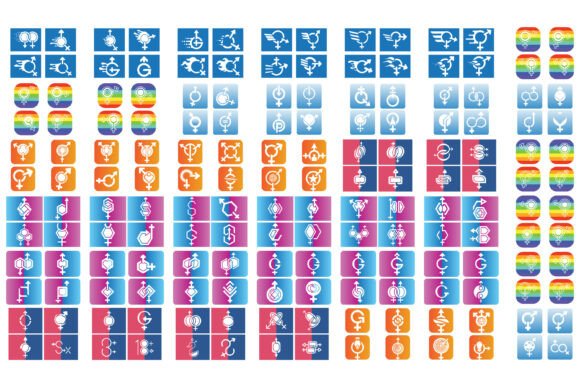
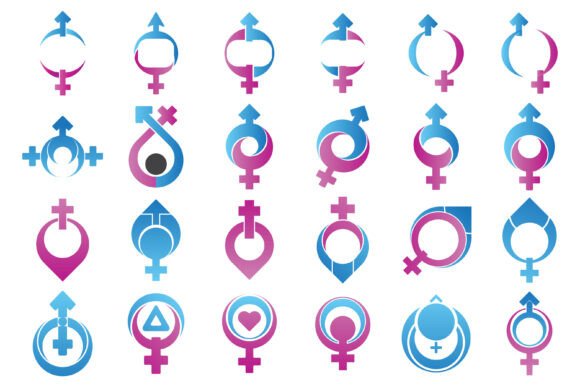
Gender logo design refers to the creation of visual symbols, icons, or illustrations that represent gender identities. These designs can be as simple as a male or female silhouette or as complex as abstract representations of gender diversity. From flat design to vector graphics, gender logos are used in various contexts, including public spaces, digital platforms, and marketing campaigns.
At its core, gender logo design aims to communicate information clearly and inclusively. For example, a gender-neutral symbol might be used in a workplace to indicate a shared space, while a more detailed illustration could be part of an infographic highlighting gender equality.
The Purpose and Significance of Gender Logos
Gender logos serve multiple purposes, from practical identification to symbolic representation. In public spaces, such as restrooms or community centers, these symbols help people navigate environments with ease. However, their significance goes beyond functionality. They also reflect societal values and contribute to the broader conversation around gender identity and inclusion.
One of the most common examples is the use of gender symbols in bathrooms. Traditionally, these have been limited to male and female indicators, but modern designs now often include non-binary or gender-neutral options. This shift not only promotes inclusivity but also signals a commitment to diversity and respect for all individuals.
Key Elements in Gender Logo Design
Creating effective gender logos involves several key design elements. These include:
- Symbolism: The choice of symbols—such as silhouettes, outlines, or pictograms—can greatly influence the message conveyed.
- Color: Colors can add depth and meaning to gender logos. For instance, blue is often associated with masculinity, while pink is linked to femininity, though these associations are increasingly being challenged.
- Typography: When text is involved, the font style and size play a role in how the message is received.
- Layout: The arrangement of elements affects readability and visual impact.
Designers must also consider the context in which the logo will be used. A gender symbol for a corporate website may differ from one used in a public health campaign. The goal is to create a design that is both aesthetically pleasing and functionally effective.
Examples of Gender Logo Designs
There are countless examples of gender logo designs across different industries. In the realm of technology, many apps and platforms now offer gender-neutral profile icons. These designs often feature abstract shapes or simplified figures that avoid traditional gender markers.
In education, gender logos are used to promote inclusivity in schools and universities. For instance, a school might use a gender-neutral symbol on its website to indicate support for all students, regardless of their gender identity.
Public art and signage also frequently incorporate gender symbols. A mural depicting a diverse group of people can serve as a powerful statement about equality and community. Similarly, a banner displaying a gender-inclusive message can raise awareness about social issues.
The Role of Gender Logos in Modern Society
As society becomes more aware of gender diversity, the importance of gender logos continues to grow. These symbols are no longer just about identifying gender—they are about creating spaces where everyone feels welcome and respected.
For businesses, gender logos can be a way to demonstrate commitment to diversity and inclusion. By using inclusive symbols, companies can show that they value all customers and employees, regardless of their gender identity.
In the digital world, gender logos are essential for accessibility and user experience. A well-designed icon can help users quickly understand the purpose of a feature or page, making navigation easier and more intuitive.
Challenges and Considerations in Gender Logo Design
While gender logo design offers many benefits, it also comes with challenges. One of the main difficulties is ensuring that the design is culturally sensitive and appropriate for the intended audience. What works in one region may not be suitable for another, so designers must be mindful of local customs and values.
Another challenge is avoiding stereotypes. Traditional gender symbols often reinforce outdated notions of masculinity and femininity. Designers must strive to create symbols that are open to interpretation and do not limit the perception of gender.
Additionally, there is the issue of visibility. Not all gender symbols are universally recognized, especially in areas where gender diversity is not widely accepted. This highlights the need for education and awareness to ensure that these symbols are understood and respected.
Conclusion: The Future of Gender Logo Design
Gender logo design is more than just a visual element—it is a reflection of our evolving understanding of identity and inclusion. As society continues to embrace diversity, the role of gender symbols will become even more significant. Whether in public spaces, digital platforms, or creative projects, these designs have the power to foster understanding, promote equality, and celebrate the richness of human experience.
For designers, the challenge lies in creating symbols that are both meaningful and accessible. By considering the needs of different audiences and staying informed about current trends, designers can contribute to a more inclusive and equitable world—one symbol at a time.